


For as long as most men can remember, shaving has been associated with thicker hair. Shave it, and it grows back stronger; leave it alone, and it stays weak. It is the kind of advice that gets passed down casually, often long before shaving becomes relevant, and rarely with any real explanation.
I heard it growing up and assumed it was true. Parents and grandparents would mention it in passing, and the same idea cropped up when people warned girls not to shave their legs too soon, because it would “come back thicker”. None of it was ever backed by detail, but it was repeated often enough to feel like common sense.
The problem is that the myth doesn’t line up with how beard growth actually works.
Why The Myth Sounds Convincing
The idea feels logical on the surface. You cut hair off at the skin, it grows back darker and stiffer, so it must be thicker. When stubble appears after shaving, it often looks more solid and more even than the soft, fine hairs that were there before, especially in the early stages.
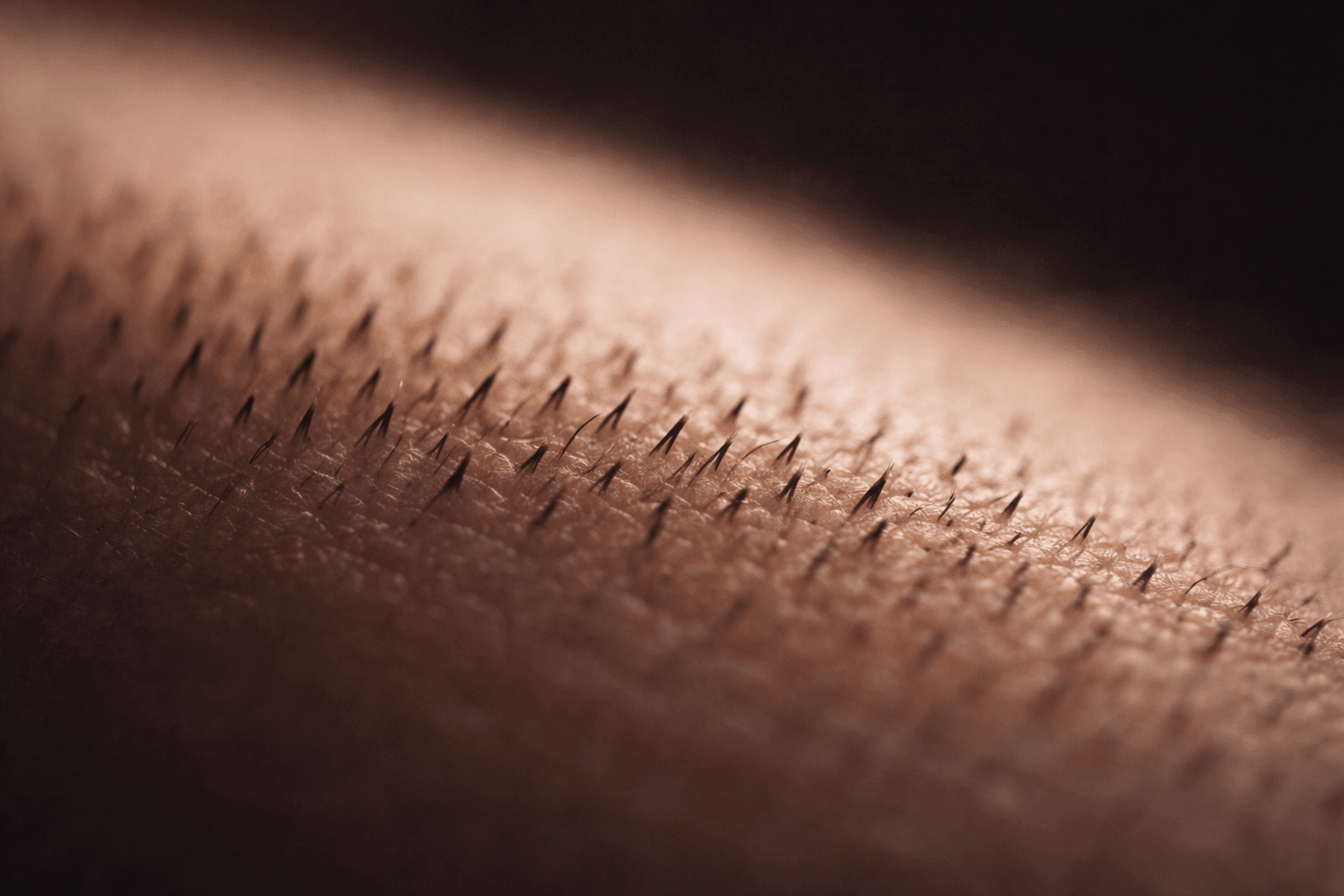
That visual change is where the myth survives. Hair that’s grown naturally has a tapered tip, while shaved hair has a blunt end. That blunt end catches the light differently and feels coarser to the touch. On lighter skin, dark stubble also creates a stronger contrast, which reinforces the impression of thicker hair.
Nothing about the follicle itself has changed. Only the shape and appearance of the hair above the skin is different.

What Actually Determines Beard Thickness
Beard thickness is set much deeper than a razor blade can reach. It depends on how many follicles you have, how wide each hair shaft is, and how sensitive those follicles are to hormones. Genetics plays the largest role, with age and time filling in the gaps as hormone response increases over the years.
That’s why many men see meaningful beard development in their thirties and forties without changing any of their grooming routine. If shaving genuinely made beards thicker, men who shaved daily for years would all develop dense, uniform growth, which clearly doesn’t happen in reality.
Shaving cuts hair at the skin level. It does not create new follicles, widen existing hairs, or alter growth speed.
Why Shaving Can Make Growth Look Worse
In some cases, shaving can actually highlight uneven growth rather than improve it. Blunt regrowth tends to make sparse areas stand out, particularly along the cheeks and jawline, where density varies naturally. Fine hairs that previously blended into the beard appear more obvious once everything returns to the same short length.
This is often why men feel discouraged after a clean shave during early growth. Nothing has gone wrong, but the illusion of fullness has disappeared, and the underlying pattern becomes easier to see.
When Shaving Still Makes Sense
None of this means shaving is pointless or harmful. Shaving can be useful for resetting shape, managing skin irritation, or taking a break during an awkward growth phase. It can also help you approach regrowth with clearer expectations and a more deliberate plan.
What matters most is understanding what shaving can and can’t do, rather than expecting it to change the long-term outcome.
Does Shaving Make Any Difference to Hair Thickness?
Shaving doesn’t change the hair follicle or increase beard density.
Cutting hair at the skin doesn’t affect how many hairs grow or how thick they become.
The impression of thicker growth comes from blunt regrowth, not real change.
Short, shaved hair looks darker and coarser because of how it reflects light.
Genetics, age, and hormone response are what actually drive fullness.
These factors develop slowly and unevenly, often well beyond your twenties.
Patience remains the most effective tool in any grooming routine.
No technique replaces time, even if the myth keeps resurfacing.


